United States Expansion of Citizenship Revocation Effort May Affect Some Nigerians
Omoyeni Olabode
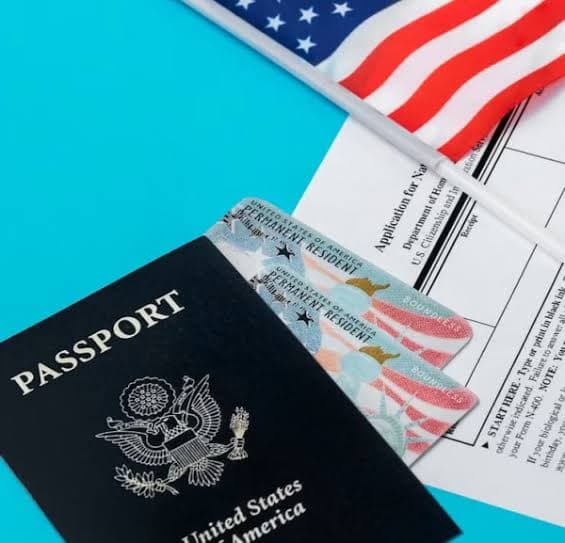
The United States government is significantly expanding its efforts to revoke the citizenship of naturalised citizens, a move that could impact Nigerian-born Americans or Nigerians who have become U.S. citizens through naturalisation. This renewed push is being driven by changes under the current U.S. administration, which has redeployed staff and resources within the United States Citizenship and Immigration Services (USCIS) to identify more potential denaturalisation cases. Officials aim to pursue between 100 and 200 cases per month, a sharp increase compared with just 102 total cases during the previous four years. This initiative forms part of a broader tightening of immigration enforcement policies in the United States.
Denaturalisation refers to the legal process through which the U.S. government can strip an individual of citizenship obtained through naturalisation. Historically, this has happened in cases where individuals are found to have concealed criminal histories, war crimes, human rights violations, fraud, or material misrepresentations during the naturalisation process. USCIS says it maintains a zero-tolerance approach to fraud and works with the Department of Justice to pursue denaturalisation when there is credible evidence of wrongdoing. Despite the expanded effort, legal experts say revoking citizenship is rare and subject to strict legal safeguards including due process.
Nigeria ranks among the countries whose nationals have become U.S. citizens through naturalisation in recent years. According to U.S. Homeland Security data, tens of thousands of Nigerians took the oath of allegiance and became U.S. citizens between 2019 and 2023. Many Nigerian-born Americans continue strong ties with both countries, contributing to diaspora communities and bilateral relations. While there is no indication that all naturalised Nigerians face immediate risk of citizenship revocation, the expanded denaturalisation initiative adds uncertainty for those whose naturalisation records may be reviewed for alleged misrepresentation in their applications.
Beyond the denaturalisation drive, Nigerians have already been affected by other U.S. immigration policy changes, including restrictions on certain visas and pauses on immigrant visa processing for citizens of multiple countries including Nigeria. Nigeria’s Federal Government has engaged with U.S. authorities through diplomatic channels to address visa and immigration concerns as part of ongoing bilateral cooperation. Legal analysts continue to emphasise the complexity of nationality law in the United States and the strong legal protections afforded to citizens, whether by birth or naturalisation.
What do you think about the expansion of U.S. denaturalisation efforts and the potential impact on Nigerians with American citizenship? Share your views in the comments section below.
Share to:
Comments
This post has no comments yet.
Be the first to comment!
Related Posts
Omoyeni Olabode-10 Apr, 2026
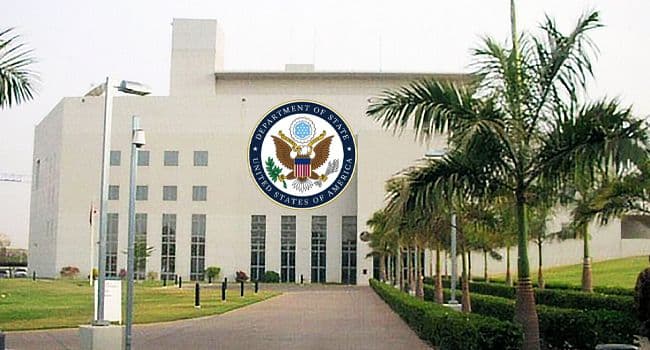
The United States government has officially closed its embassy in Abuja following a directive for non-essential employees and their family members to evacuate Nigeria’s capital city. The decision, which was reported on Friday, April 10, 2026, comes in response to what US officials have described as an "elevated risk of terror attacks" in the Federal Capital Territory.
Continue Reading...Omoyeni Olabode-10 Apr, 2026
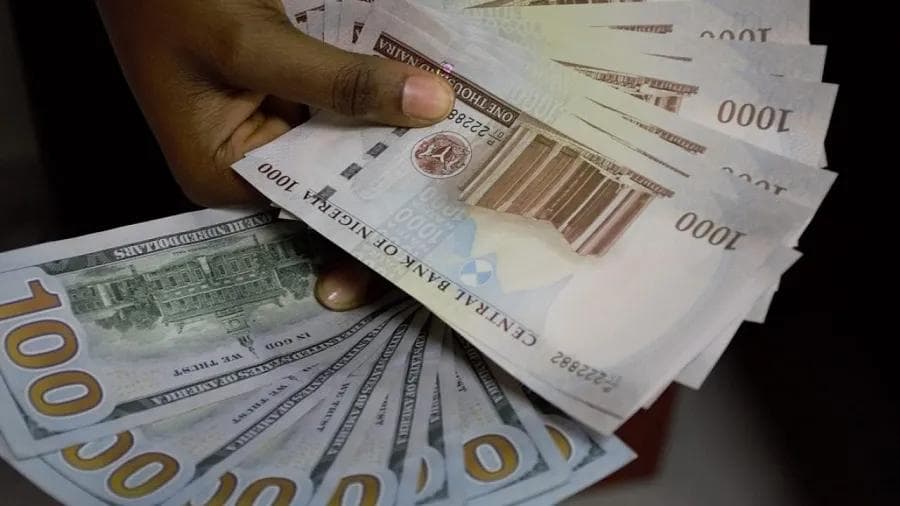
The Nigerian Naira has recorded a notable gain in the official foreign exchange market, appreciating by N12.51 against the United States Dollar. Data from the Nigerian Autonomous Foreign Exchange Market (NAFEM), showed the local currency strengthening as liquidity improved slightly within the banking system.
Continue Reading...Omoyeni Olabode-2 Apr, 2026
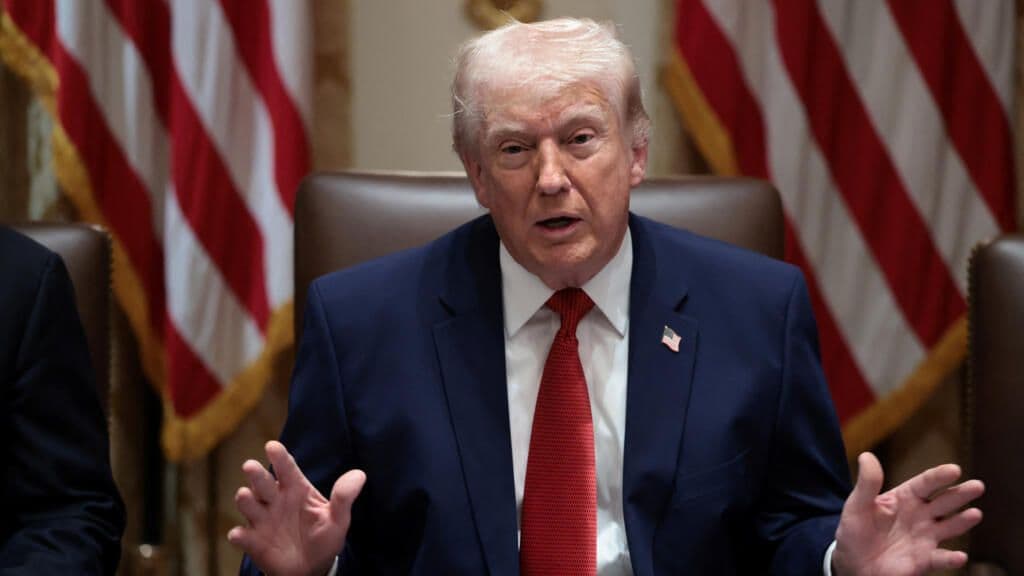
Israel’s air defence systems intercepted incoming Iranian missiles following a recent address by former United States President Donald Trump, as hostilities in the Middle East continue to intensify.
Continue Reading...