UK–US Drug Pricing Deal to Cost NHS About £1 Billion in First Three Years
Omoyeni Olabode
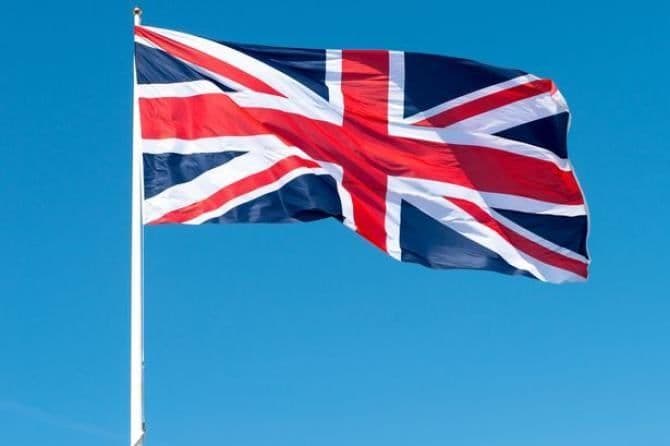
A recently announced pharmaceutical pricing agreement between the United Kingdom and the United States is expected to cost Britain’s National Health Service (NHS) about £1 billion (roughly $1.4 billion) over the next three years, according to official estimates shared on Wednesday.
Under the arrangement, the UK government agreed to raise the cost-effectiveness threshold used to assess new medicines — essentially allowing higher prices for certain drugs — in exchange for tariff exemptions on British pharmaceutical exports to the United States. This move is tied to maintaining zero tariffs on UK-made medicines imported into the U.S., protecting UK pharmaceutical companies from previously threatened high import taxes.
Science Minister Patrick Vallance informed members of the UK Parliament that the projected £1 billion cost would be shouldered by the health department’s existing budget, which also funds the NHS in England. While this measure aims to support the life sciences sector and sustain trade relationships, critics have raised concerns that reallocating funds could put pressure on other areas of the already constrained health service.
Vallance also noted that the final financial impact cannot yet be accurately modelled, as costs will vary depending on which new medicines are approved and adopted for use by the NHS.
The deal reflects broader efforts to balance trade priorities with healthcare spending, as the UK seeks to maintain access to the U.S. market while adapting its domestic drug-pricing policies.
What do you think about the UK–US drug pricing deal that could cost the NHS £1 billion over three years? Share your opinion with us in the comments.
Share to:
Comments
This post has no comments yet.
Be the first to comment!
Related Posts
Omoyeni Olabode-10 Apr, 2026
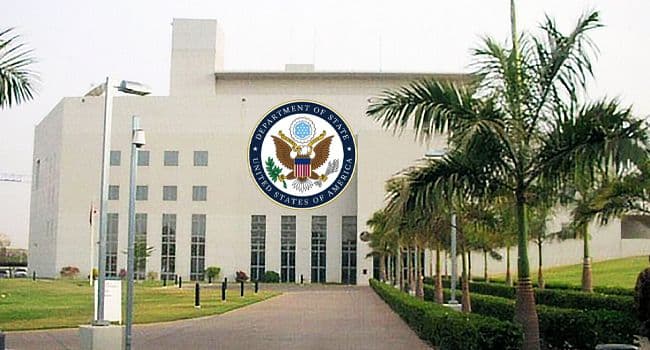
The United States government has officially closed its embassy in Abuja following a directive for non-essential employees and their family members to evacuate Nigeria’s capital city. The decision, which was reported on Friday, April 10, 2026, comes in response to what US officials have described as an "elevated risk of terror attacks" in the Federal Capital Territory.
Continue Reading...Omoyeni Olabode-10 Apr, 2026
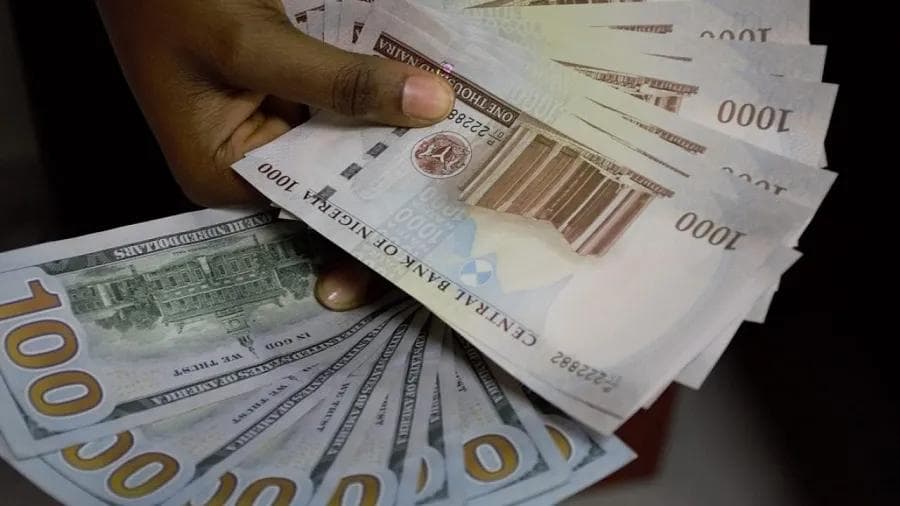
The Nigerian Naira has recorded a notable gain in the official foreign exchange market, appreciating by N12.51 against the United States Dollar. Data from the Nigerian Autonomous Foreign Exchange Market (NAFEM), showed the local currency strengthening as liquidity improved slightly within the banking system.
Continue Reading...Omoyeni Olabode-2 Apr, 2026
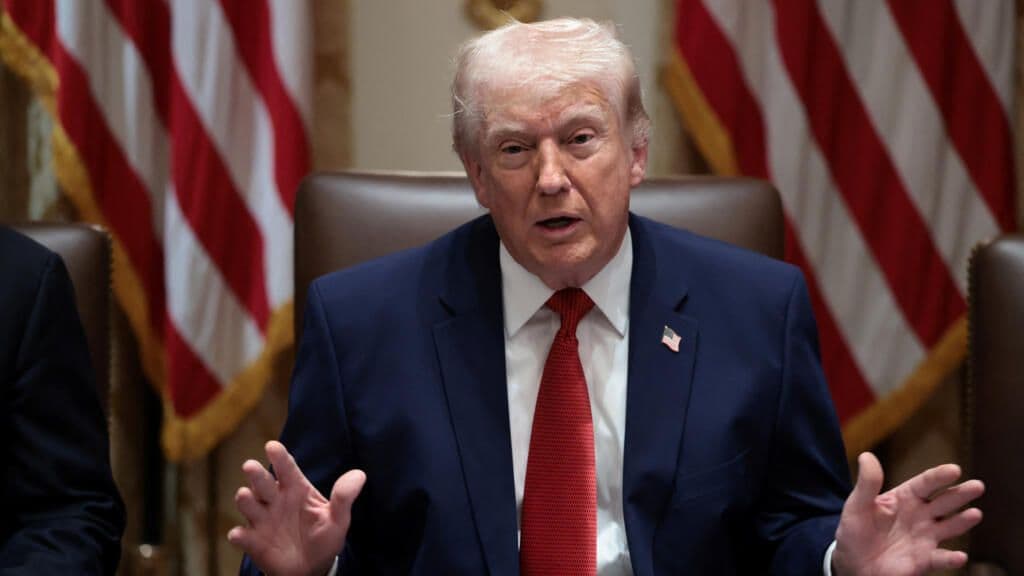
Israel’s air defence systems intercepted incoming Iranian missiles following a recent address by former United States President Donald Trump, as hostilities in the Middle East continue to intensify.
Continue Reading...