Why Buhari Refused to Name a Successor — Ex-DSS DG Yusuf Bichi
Omoyeni Olabode
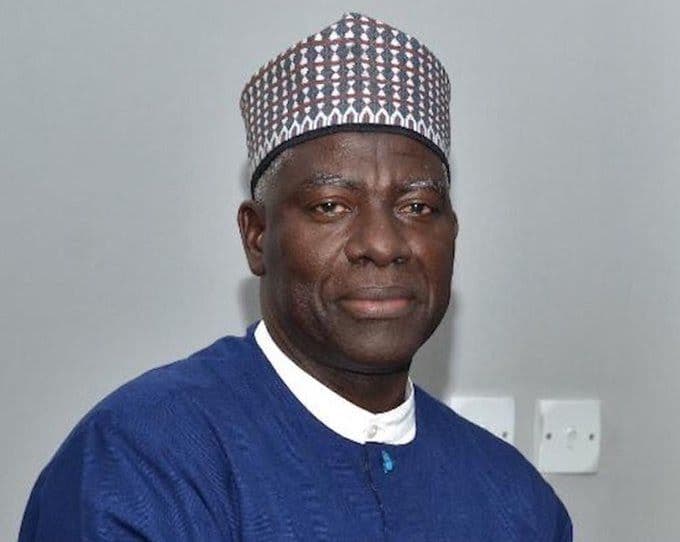
Fresh insights have emerged into why former President Muhammadu Buhari chose not to publicly endorse or name a preferred successor during the buildup to the 2023 presidential election. According to former Director-General of the Department of State Services (DSS), Yusuf Bichi, the decision was a deliberate security and political strategy rather than reluctance or indecision. This revelation was shared in a newly released book titled From Soldier to Statesman: The Legacy of Muhammadu Buhari, which was unveiled in Abuja before a high-profile audience including President Bola Tinubu and other dignitaries.
Bichi explained that intelligence assessments at the time indicated that publicly backing a particular candidate could expose that individual to security risks and heighten tensions within the ruling All Progressives Congress (APC). He said Buhari believed that naming a successor might intensify rivalries, generate hostility, and possibly even endanger the person backed should political opponents see them as a target. The former DSS boss underscored that the political landscape was extremely competitive and potentially volatile, making neutrality a safer and more stabilizing posture.
The former president’s silence was often misinterpreted as hesitance or lack of interest, but Bichi insisted that it was a calculated choice to maintain internal cohesion within the APC and avoid undermining party unity ahead of the primaries. Buhari’s approach, as portrayed in the book, was to allow the primary process to distribute political risk among the aspirants rather than concentrate it on a single individual, as open endorsement might have done. This helped create an environment where the primary could proceed without seeming undue influence from the incumbent.
Buhari’s eventual absence of a named successor did not prevent the primary that brought President Tinubu to power in 2023. The decision has since become a subject of reflection and debate among political analysts, with some viewing it as an example of cautious leadership during a sensitive electoral period. What do you think about the implications of a sitting president choosing not to endorse a successor publicly? Comment below and share your thoughts.
Share to:
Comments
This post has no comments yet.
Be the first to comment!
Related Posts
Omoyeni Olabode-9 Jan, 2026
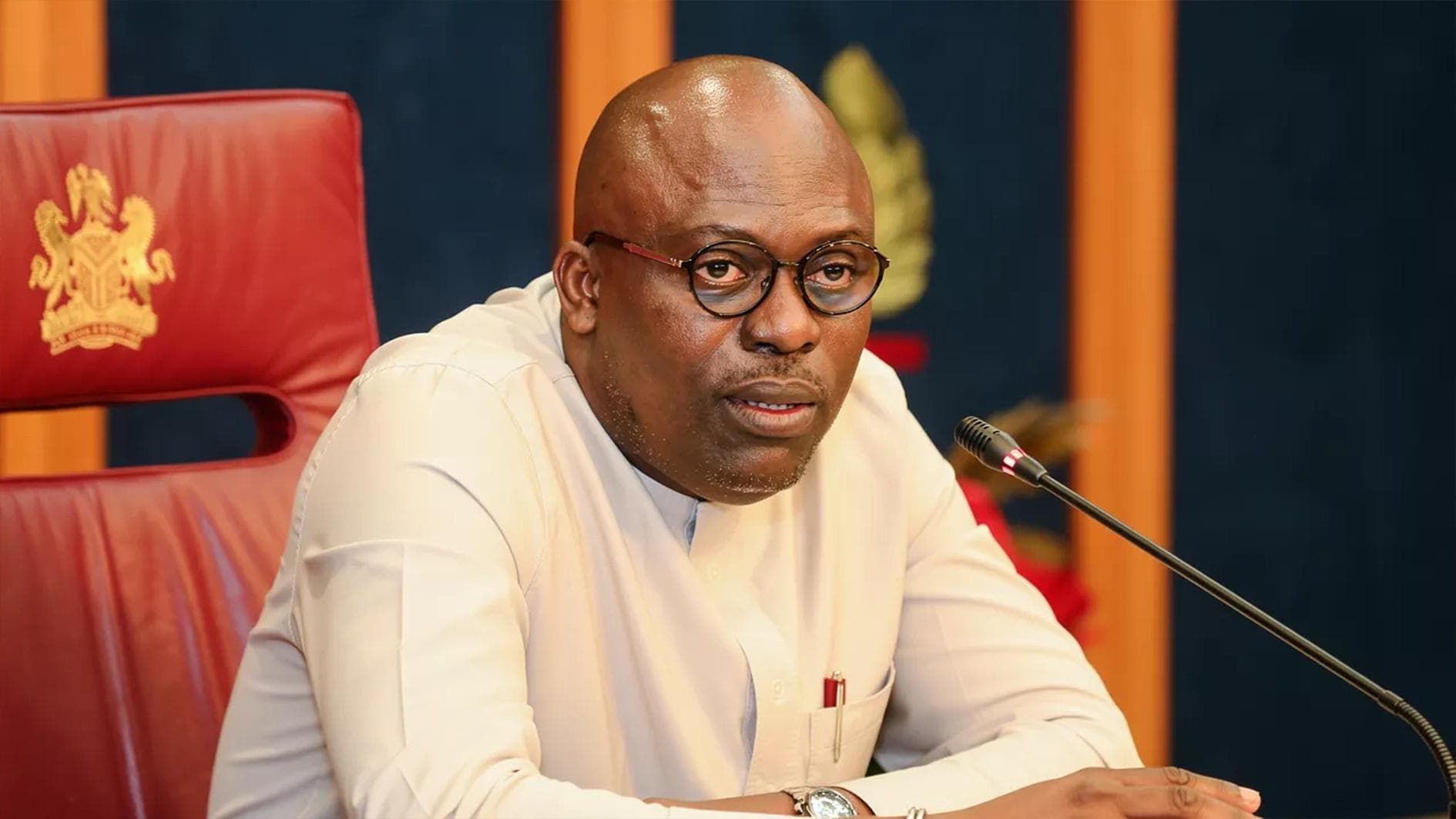
The political tension in Rivers State has reached a boiling point as the State House of Assembly officially began impeachment proceedings against Governor Siminalayi Fubara. During a rowdy session on Friday morning, the lawmakers loyal to the former governor and current FCT Minister, Nyesom Wike, moved a motion to serve an impeachment notice on the Governor
Continue Reading...Omoyeni Olabode-9 Jan, 2026
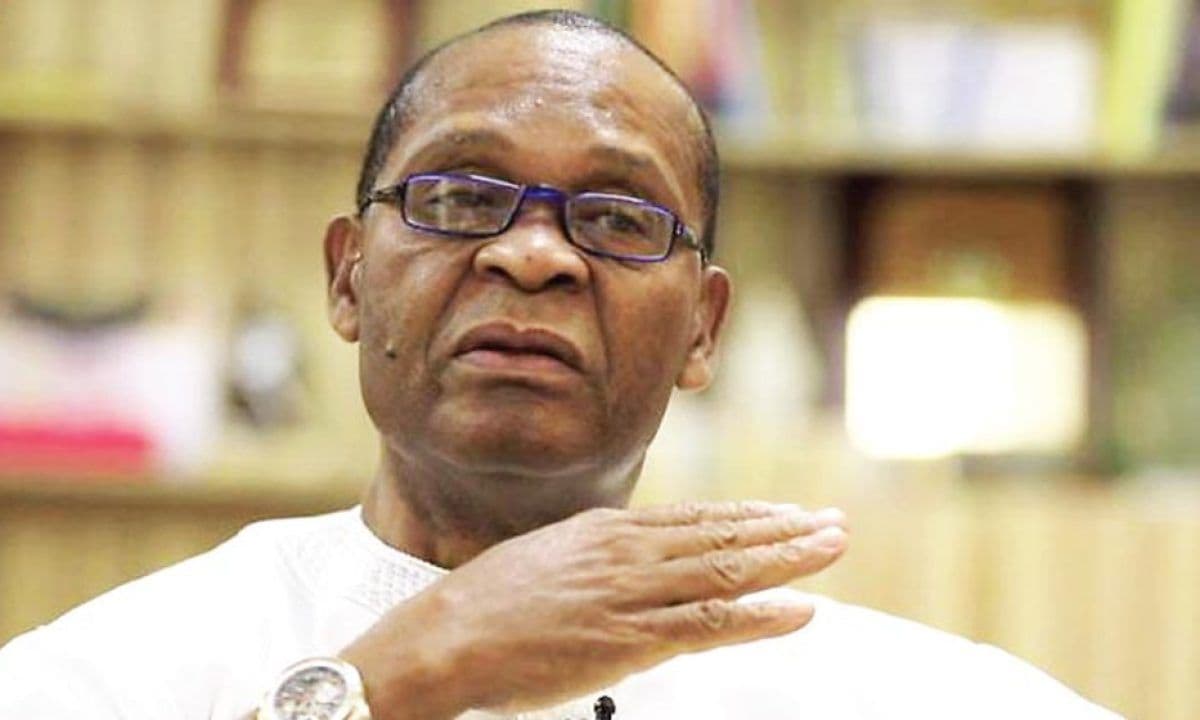
Lagos based chieftain of the All Progressives Congress, Joe Igbokwe, has publicly declared his opposition to any plans aimed at impeaching Governor Siminalayi Fubara of Rivers State. Speaking on the ongoing political crisis in the state, Igbokwe warned that removing the governor through such a process would be a mistake.
Continue Reading...Omoyeni Olabode-9 Jan, 2026
Primate Elijah Ayodele, the leader of the INRI Evangelical Spiritual Church, has released a startling new prophecy regarding Nigeria's 2027 presidential election. The cleric revealed that former Vice President Atiku Abubakar will face significant pressure from the international community to drop his presidential ambitions.
Continue Reading...