Nigeria Boosts Climate-Resilient Agriculture as Scientists Receive Advanced Biotechnology Training
Omoyeni Olabode
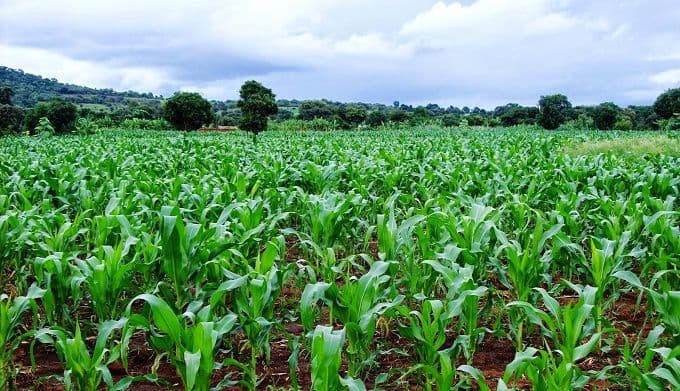
In a move to strengthen Nigeria’s response to climate change and food insecurity, a coalition comprising the JR Biotek Foundation, Mastercard Foundation, and the University of Cambridge partnered with the Michael Okpara University of Agriculture Umudike to train Nigerian scientists in advanced molecular biotechnology.
The intensive training programme, held in Umuahia, focused on equipping researchers with modern tools to develop climate-resilient crops and promote sustainable agricultural systems. The workshop, themed ‘Building Nigeria’s Capacity for Climate-Resilient Agriculture through Molecular Biotechnology,’ drew participants from across the country, reflecting growing concern over climate adaptation.
Founder of the JR Biotek Foundation, Carol Ibe, said the initiative was designed to bridge critical scientific gaps needed to address climate and food security challenges. She stressed the urgency of adopting modern biotechnology tools to tackle declining agricultural productivity and environmental threats.
A researcher at the University of Cambridge also stated the impact of climate change on rainfall patterns and biodiversity, warning that indigenous crops with valuable genetic traits are increasingly at risk. She noted that limited investment in research and poor laboratory infrastructure in Nigerian institutions continue to hinder scientific progress.
According to the organisers, the foundation has trained over 300 scientists from more than 20 African countries, with Nigeria recording the highest participation. The latest programme attracted 1,661 applications for just 20 available slots, underscoring the high demand for such specialised training.
Vice-Chancellor of the university, Ursula Ngozi Akanwa, described the collaboration as a major milestone, urging alumni in the diaspora to contribute to national development by supporting local institutions.
Project Lead in Nigeria, Olayinka I. Nwachukwu, explained that participants were trained in key areas such as DNA extraction, sequencing, genomics, and bioinformatics, essential tools for developing climate-resilient crops. She added that trainees are expected to replicate the knowledge within their respective institutions.
Participants were picked from several institutions, including Usmanu Danfodiyo University, University of Maiduguri, Lake Chad Research Institute, and Federal University Otuoke.
The initiative shows growing efforts to strengthen Nigeria’s scientific capacity and develop homegrown solutions to climate and agricultural challenges through biotechnology.
Share to:
Comments
This post has no comments yet.
Be the first to comment!
Related Posts
Omoyeni Olabode-15 Apr, 2026

The Chairman of Zobis Group, John Ezeobi, has visited Innoson Vehicle Manufacturing Company in a strategic move aimed at fostering collaboration among indigenous manufacturers in Nigeria.
Continue Reading...Omoyeni Olabode-15 Apr, 2026

A Nigerian businessman, Henry Nzube Ikeji, has denied allegations linking him to a $2.5 million fraud involving the impersonation of a Dubai Crown Prince.
Continue Reading...Omoyeni Olabode-15 Apr, 2026

A Lagos-based energy and climate-tech startup, PowerLabs, has secured a pre-seed funding round to address Nigeria’s persistent electricity challenges and improve energy reliability for businesses.
Continue Reading...