NSCIA's June 12 Message to Nigerians
Omoyeni Olabode
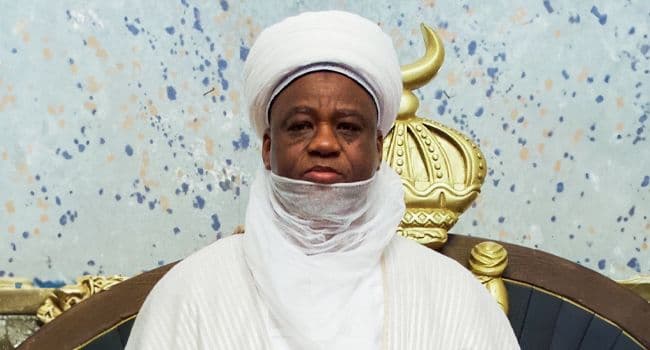
The Nigerian Supreme Council for Islamic Affairs (NSCIA) has cautioned against associating criminal activities with any religion or ethnic group, warning that such narratives risk deepening divisions and weakening collective efforts to address insecurity in the country.
The appeal was made in a Democracy Day message issued on Thursday and signed by the council’s Public Affairs Officer, Abbas Jimoh, on behalf of the President-General of the NSCIA and Sultan of Sokoto.
According to the council, insecurity remains one of Nigeria’s most pressing challenges, but criminal acts should not be interpreted through ethnic or religious lenses.
The NSCIA expressed concern over the continued impact of banditry, kidnapping, terrorism and other violent crimes, noting that these incidents continue to claim lives, displace communities and slow national development.
The statement emphasised that attaching religious or ethnic identities to criminal conduct can create unnecessary tensions and distract from finding lasting solutions.
The council condemned all forms of violence and called on individuals involved in criminal activities to abandon such actions.
It also raised concerns over what it described as attempts by some individuals and groups to portray Nigerian Muslims as being connected to banditry, kidnapping and related crimes.
According to the council, such profiling does not reflect the values or actions of the majority of law-abiding Muslims who contribute positively across different sectors of society.
Referencing public reactions to the recent kidnapping of students and teachers in Oriire Local Government Area of Oyo State, the NSCIA argued that developments in the case had challenged efforts to associate the incident with Islam, Muslims or Sharia.
The council further warned against ethnic profiling, stressing that criminal responsibility should remain individual and based on evidence rather than assumptions tied to identity.
It urged media organisations, public commentators and stakeholders to maintain professionalism, accuracy and fairness in public discourse, particularly on sensitive security matters.
The NSCIA also congratulated Nigerians on the 2026 Democracy Day celebration, describing June 12 as a reminder of the country’s democratic journey and the need to uphold justice, accountability, inclusion and respect for human dignity.
While commending ongoing efforts by government and security agencies to tackle insecurity, the council called for stronger cooperation among citizens and institutions to build a safer and more united nation.
Is it possible for societies to confront insecurity effectively while avoiding narratives that associate crime with religion or ethnicity? Tell us what you think below.
Share to:
Comments
This post has no comments yet.
Be the first to comment!
Related Posts
Omoyeni Olabode-28 Sep, 2026

We have a duty to allow the Covenant of Grace to work in our lives. We are mandated to succeed in life; we are mandated to be fruitful, multiply and take DOMINION.
Continue Reading...Omoyeni Olabode-11 Sep, 2026

The Leader of INRI Evangelical Spiritual Church, Primate Elijah Ayodele, has strongly criticized Christian clerics who recently endorsed President Bola Ahmed Tinubu for a second term in 2027, dismissing their backing as self-serving and void of divine direction.
Continue Reading...Omoyeni Olabode-11 Sep, 2026

Popular Nigerian clergyman and founder of Sphere of Light Church, Pastor Femi Lazarus, has issued a stern warning to men regarding relationship dynamics, gender roles, and marital expectations.
Continue Reading...