Iran Raises Fresh Concerns Over Strait of Hormuz Shipping Routes Amid Renewed Gulf Tensions
Omoyeni Olabode
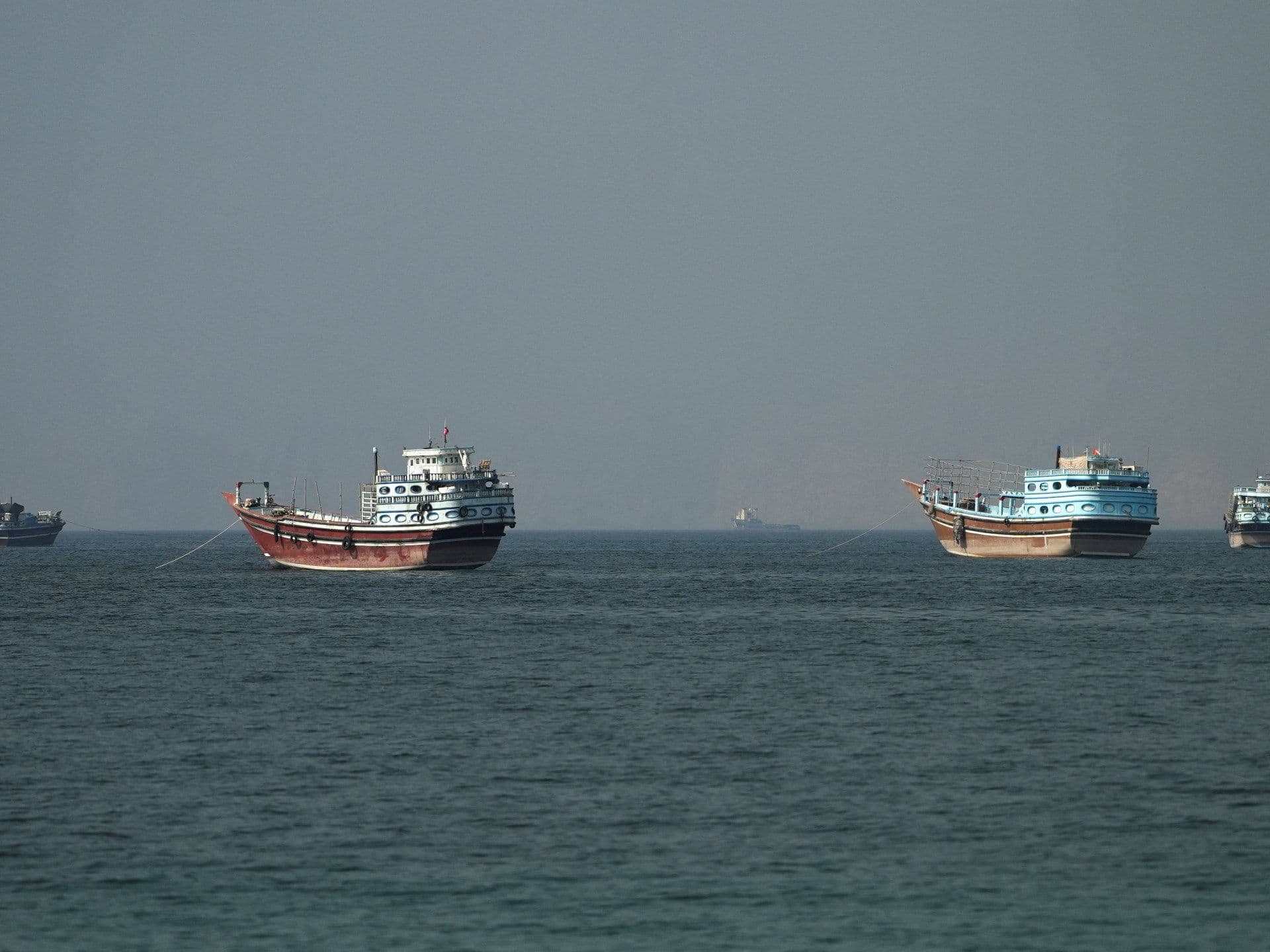
Iran has warned against attempts by commercial vessels to avoid its preferred transit corridor through the Strait of Hormuz, cautioning that alternative arrangements could escalate tensions across the Middle East.
The warning follows renewed exchanges between Iranian and US forces despite a recent ceasefire agreement intended to reduce instability in the region. According to reports, both sides accused each other of violating the terms of the understanding reached earlier this year.
Iranian officials maintained that existing shipping arrangements should remain in place to prevent delays and further disruption to maritime operations through the strategically important waterway, a major route for global oil and gas transport.
At the same time, tensions have extended beyond the Gulf, with developments involving Israel and Lebanon adding pressure to wider regional peace efforts.
Analysts suggest that continued disagreements over security, navigation and military activity could test the durability of current diplomatic agreements.
In this case, do you think fragile ceasefire agreements can succeed when strategic trade routes remain a source of political and military tension? Drop your comments below.
Share to:
Comments
This post has no comments yet.
Be the first to comment!
Related Posts
Omoyeni Olabode-21 Oct, 2026

An American, Normand Tousignant, has been officially recognized by Guinness World Records as the world’s oldest first-time grandfather after meeting his newborn granddaughter at the age of 92 years and 24 days.
Continue Reading...Omoyeni Olabode-21 Oct, 2026

Saudi authorities have executed a Bangladeshi man and woman following their conviction under ta’zir (discretionary punishment) for committing "indecent acts" inside a mosque in the holy city of Mecca.
Continue Reading...Omoyeni Olabode-6 Oct, 2026
A 15-year-old student lost his hand in the northern French city of Lens on Monday after picking up a police stun grenade during nationwide high school protests over severe staffing shortages and dilapidated classroom conditions.
Continue Reading...